


It could become ‘everybody vs the People’s Party’ as old power networks unite to crush the movement that won the popular vote in 2023
As the pieces of Thailand’s political puzzle begin to fall into place ahead of an election set for early next year, the third incarnation of a reformist party that won the most votes last time around is seeking a repeat performance.
But the People’s Party, whose predecessor was not only denied the chance to govern but ultimately dissolved by the Constitutional Court last year for attempting to reform the country’s royal defamation law, has a steep hill to climb.
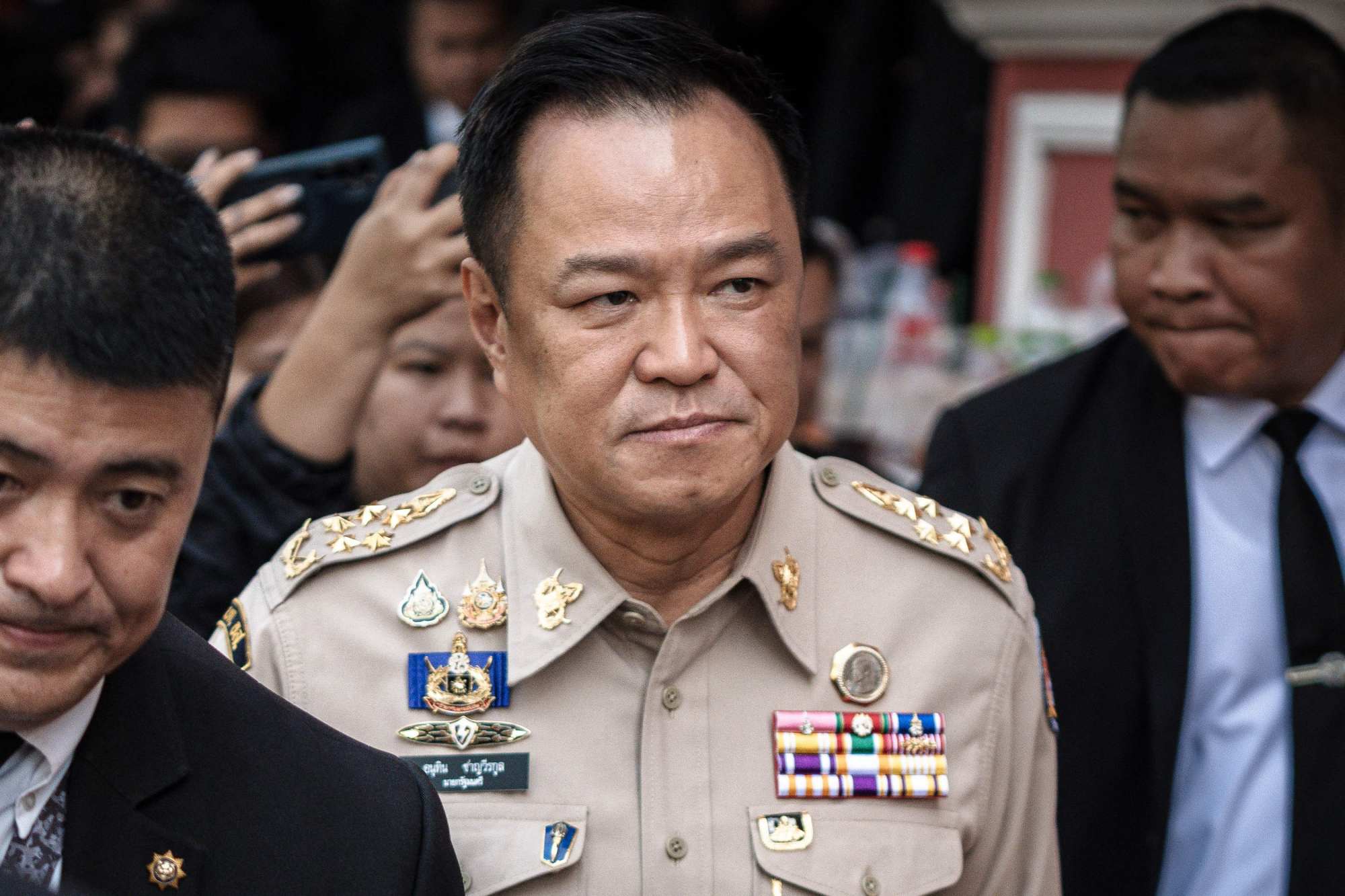
Conservative forces and the sprawling patronage networks of Thailand’s baan yai (“big house”) political dynasties have started to coalesce around Prime Minister Anutin Charnvirakul, 59, drawing in powerful regional vote banks.
Do you have questions about the biggest topics and trends from around the world? Get the answers with SCMP Knowledge, our new platform of curated content with explainers, FAQs, analyses and infographics brought to you by our award-winning team.
“It could become everybody vs the People’s Party,” said Taopiphop Limjittrakorn, a People’s Party MP from Bangkok helping to vet candidates for the election, expected in March.
“That will be bad for us. Thailand is very conservative and in bad economic times people tend to rely on the older powers and baan yai for support.”
The baan yai dominate Thailand’s political and economic life. Several of them publicly declared support for Anutin this month, including the Khunpleums of eastern Chonburi, Varawut Silap-archa – son of veteran power broker Banharn – and multiple defectors from the Pheu Thai party of billionaire former prime minister Thaksin Shinawatra.
“Hopefully the electorate still wants to go on a journey with us to change this country,” Taopiphob said. “Our challenge is to convince people that we are a necessity, not just hope, and that we cannot carry on like this any more.”
When the People’s Party stormed to victory in the 2023 election under its former name, Move Forward, it united millions of young and rural voters disillusioned by a faltering economy and an entrenched elite. Its promises to dismantle monopolies, decentralise power and curtail the military’s political influence resonated across regions long loyal to Pheu Thai, once the dominant pro-democracy party.
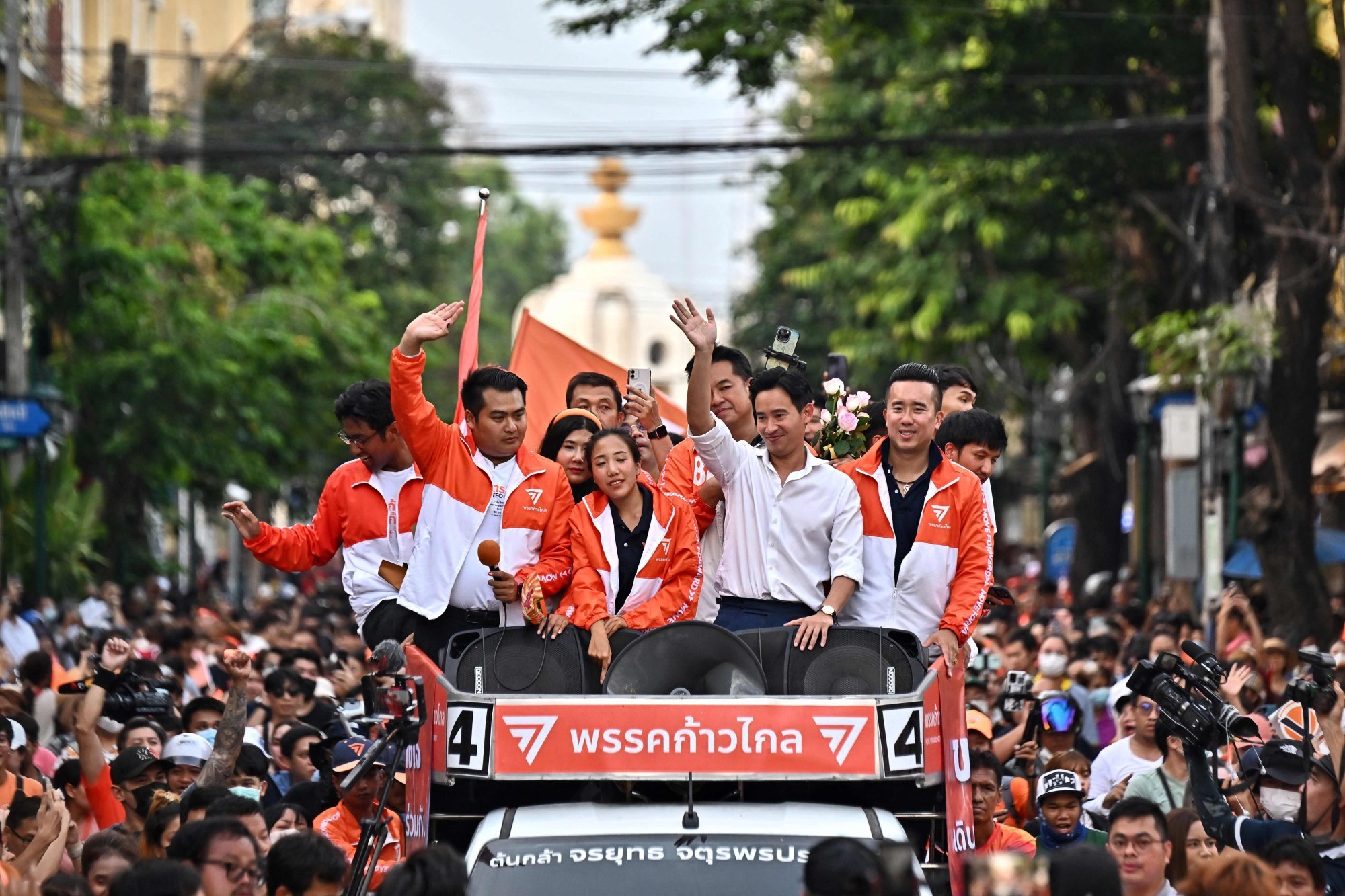
For the conservative establishment, however, a Move Forward government was unconscionable. As has happened before in Thailand, whose political history is littered with coups and court rulings designed to curb democratic advances, the party was dissolved and its leaders banned from engaging in politics.
Conservatives instead rallied around the perceived lesser threat of Thaksin’s Pheu Thai at the head of an uneasy coalition, relegating the reformists to opposition.
The 14 million Thais who voted for Move Forward have since watched their country sink deeper into political paralysis, with two successive Pheu Thai prime ministers ousted within the span of a single year.
Anutin, leader of the Bumjaithai Party, took power in September after the removal of Paetongtarn Shinawatra, Thaksin’s daughter, by a court order over a leaked call with Cambodia’s Hun Sen that prompted accusations of compromising national interests.
Anutin now presides over a country in flux, serving under a short-term mandate to steer Thailand towards a fresh election in a bid to quell instability.
“Bhumjaithai will enter the vote from a position of strength,” said Ken Mathis Lohatepanont, a political science doctoral student at the University of Michigan, referring to Anutin’s party.
With the advantage of incumbency, Anutin has the ability to both roll out populist subsidies and cultivate conservative alliances for the election campaign ahead.
Bumjaithai, which finished third in 2023, is now poised to “expand its seat share significantly”, according to Lohatepanont.
“Anutin has positioned Bhumjaithai as the main choice for conservative voters,” he said.
It could even eclipse Thaksin’s once unassailable Pheu Thai in many rural upcountry regions.
“Pheu Thai is still hobbled by the fiasco of the audio clip between Paetongtarn and Hun Sen,” said Paul Chambers, a visiting fellow at Singapore’s Institute of Southeast Asian Studies who specialises in Thai politics, adding that Thaksin is likely to still be in prison when the next election takes place.
Thaksin, currently serving a one-year sentence in a Bangkok jail for corruption, faces a mounting series of legal challenges – widely seen as an effort to keep Pheu Thai’s founder and figurehead away from the campaign trail.
“Whether or not the country is still in the mood for more Shinawatra-linked candidates after the past three years remains to be seen,” Lohatepanont said.
Anutin’s government faced its first major test last week amid mounting anger over what critics call a slow and disjointed response to catastrophic flooding in the country’s south. The region has been battered by the heaviest rains in decades, leaving scores dead and entire communities submerged.
Opponents accuse the administration of failing to grasp the scale of the disaster and of reacting too late as hundreds of thousands were cut off from food, clean water and medical aid. The backlash is especially acute given that southern Thailand has long been considered a bastion of conservative support and a constituency Anutin can ill afford to lose.
Bottled up rage
If Pheu Thai haemorrhages votes, Bhumjaithai may not be the only beneficiary. With wages stagnant, exports squeezed by a strong baht and economic growth forecast at just 1.8 per cent, frustration runs deep.
“People feel desperate,” Taophibob said. “While this election might not have the same kind of hype as last time, I feel they are keeping their vengeance inside for the vote.”
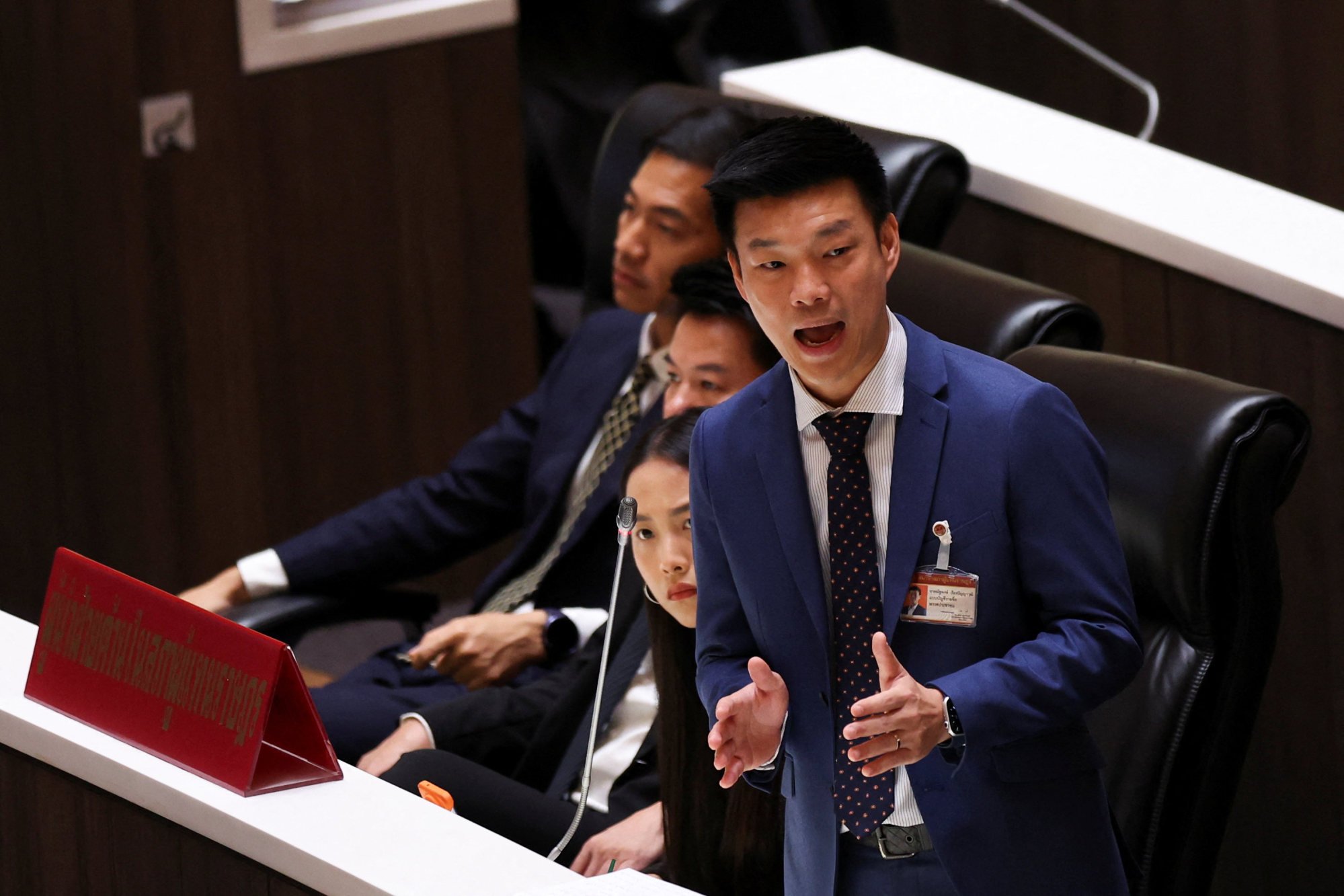
With just months until the election, People’s Party leader Natthaphong Ruengpanyawut faces the daunting challenge of harnessing that anger to rekindle the movement’s momentum.
Though less magnetic than his banned predecessor Pita Limjaroenrat, Natthaphong has earned a reputation as a pragmatic deal maker – even persuading his party to back Anutin for prime minister in exchange for a commitment to a new election.
“He is a different personality,” Taophibob said. “But I think this campaign will make him shine.”
More Articles from SCMP
We must ensure that such a tragedy never occurs again
Man arrested for alleged sedition in Hong Kong amid warning over fire rumours
Christmas 2025 gift guide: sparkling presents from Omega, Celine and more
China takes on US and Russia as it touts J-35 fighter jet in the Middle East
This article originally appeared on the South China Morning Post (www.scmp.com), the leading news media reporting on China and Asia.
Copyright (c) 2025. South China Morning Post Publishers Ltd. All rights reserved.